
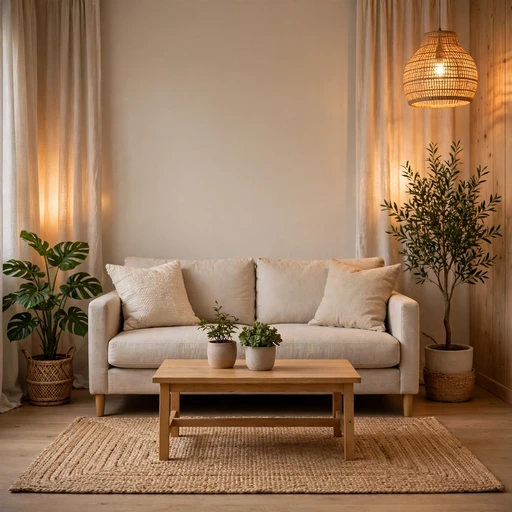
 Home & Living
 Kitchen & Dining
 Gardening & Outdoors
 Home Organization
 Smart Home
 Home DIY
 Sustainable Living
 Daily Living Tips
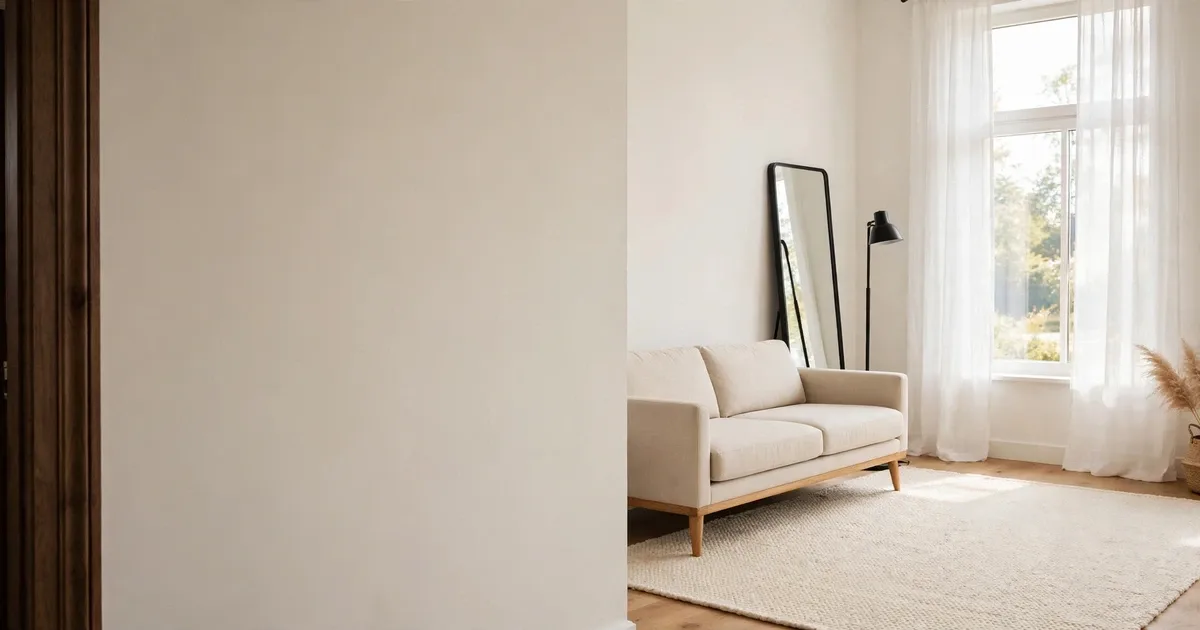
12 Small Living Room Decorating Ideas to Maximize Space
You walk into your living room and the sofa, TV stand, and coffee table already fill it. Adding anything else feels risky. The good news is that small living room decorating ideas are mostly about layout, light, and editing, not buying a bigger room. Below are 12 practical changes, from free rearranging to weekend projects, that make a tight space feel open and still usable. Most of them work in rentals too.
Quick answer: To make a small living room feel bigger, focus on these five things:
- Measure and map your layout before buying anything.
- Choose furniture with visible legs and slim arms.
- Keep walls and big pieces in light, low-contrast colors.
- Layer lamps instead of relying on one ceiling light.
- Store things vertically and behind closed doors.
Layout and Furniture Ideas
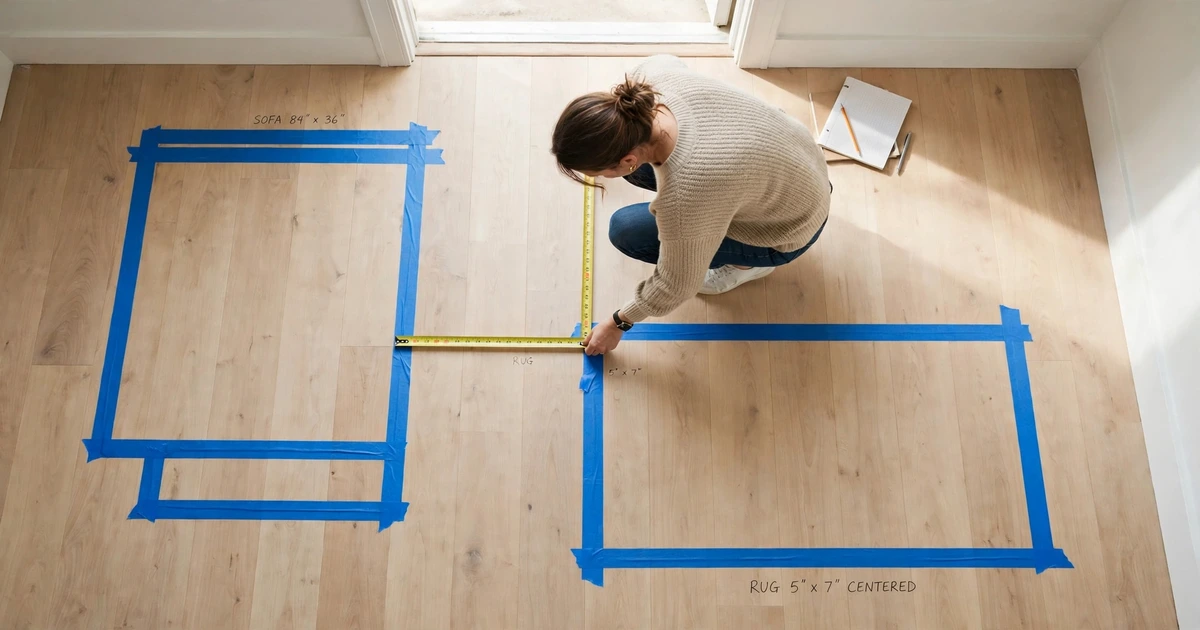
1. Map the room with tape before you move anything
Use painter's tape to outline your sofa, rug, and tables on the floor. Walk through the space. You want about 30 inches (75 cm) for side paths and closer to 36 inches (90 cm) for the main route from the door.
This works because a floor plan on paper hides problems you feel instantly in person, like a coffee table that blocks the path to the window. It's free, takes 15 minutes, and saves you from returning a piece that doesn't fit.
2. Pick a sofa with raised legs and slim arms
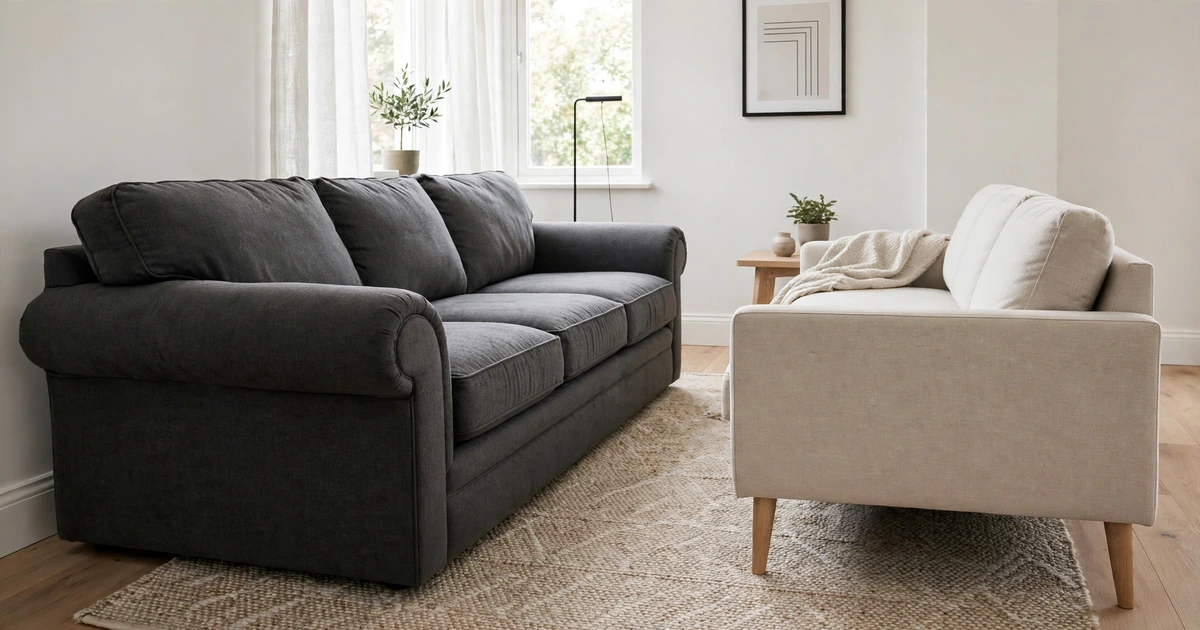
Wide, bulky arms can eat 8 to 12 inches (20 to 30 cm) of floor space on each side. A sofa with thin arms and exposed legs lets you see the floor underneath, which makes the room read as larger.
A loveseat or apartment-size sofa often fits a small room better than a full three-seater. The trade-off is less sleeping and lounging room, so it suits one to two people best. Expect roughly $400 to $1,200 for a decent one, though prices vary widely.
3. Choose furniture that does two jobs
A storage ottoman can serve as a footrest, extra seat, and blanket stash. Nesting tables give you surface space only when you need it. A lift-top coffee table works as a laptop desk.
Check the hinges and lid supports before buying, because cheap lift mechanisms can pinch fingers, which matters if you have kids. Most multi-use pieces run roughly $40 to $250, prices vary.
4. Use one right-sized rug
Several small rugs chop a room into visual pieces. One larger rug, such as 5 by 8 feet (150 by 240 cm), ties the seating area together. Aim to have at least the front legs of your sofa and chairs sitting on it.
Choose a flat-weave or low-pile style if you have pets or a robot vacuum. Expect roughly $100 to $400, prices vary. A rug pad keeps it from slipping and from bunching up under furniture.
Color, Light, and Mirrors
5. Keep the palette light and low-contrast
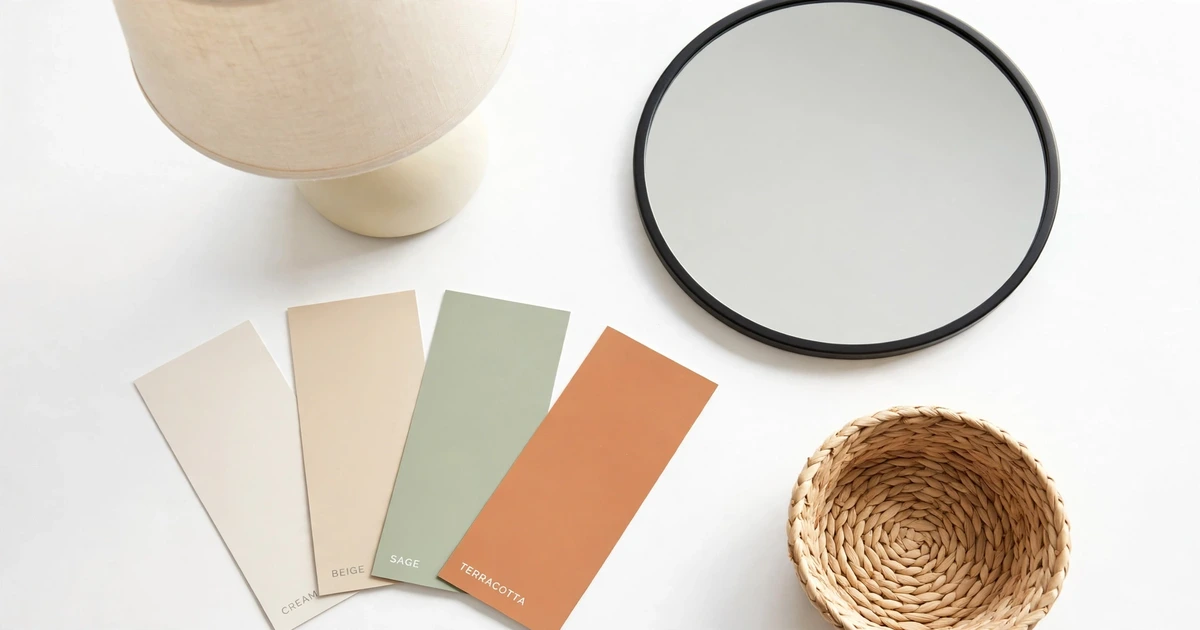
When walls, large furniture, and curtains sit in similar soft tones, your eye doesn't stop at hard edges, so the room feels continuous. Warm whites, pale greige, and soft sage all work well.
Dark colors can look great in a small room too, but only if you commit to them on walls and trim. Test a sample patch and look at it in morning and evening light first. Paint runs roughly $30 to $60 per gallon, prices vary. If you rent, check your lease before painting.
6. Place a mirror where it reflects light
A large mirror placed across from or next to a window bounces daylight deeper into the room. Skip spots where it would reflect clutter, like a cluttered desk or a pile of shoes by the door.
A leaning floor mirror needs no drilling, which is handy for renters. Roughly $30 to $200, depending on size and frame.
7. Layer your lighting
One overhead light flattens a room and leaves dark corners that feel like dead space. Add a floor lamp in the corner, a table lamp on a side table, and maybe a plug-in wall sconce.
Warm bulbs around 2700K to 3000K feel cozy, and LED bulbs use less energy and run cooler. Plug-in sconces are renter-friendly because they need no wiring. Hardwiring new fixtures is a different story, and we cover that in the professional section below.
8. Hang curtains high and wide
Mount the rod 4 to 6 inches (10 to 15 cm) above the window frame and let it extend 6 to 12 inches (15 to 30 cm) past each side. Floor-length panels in a light, airy fabric make ceilings look taller and windows look bigger.
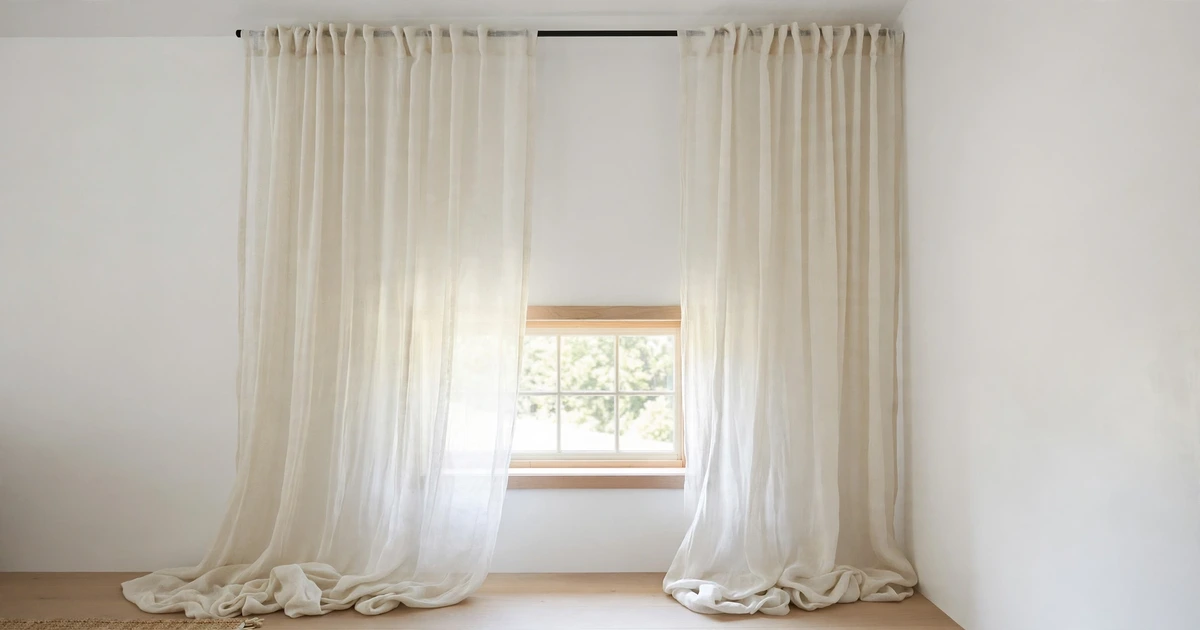
This also keeps the glass fully uncovered when the curtains are open, so you get more daylight. It's a great fix when the window itself is small.
Storage and Wall Ideas
Safety first: Tall bookcases and wall-mounted shelves can tip or fall if they're not secured. Anchor tall furniture to wall studs, not just drywall, using the hardware that matches your wall type. Use a stable step stool or ladder with someone nearby, and wear eye protection when drilling. If you can't find a stud or you're unsure what's behind the wall, stop and call a professional.
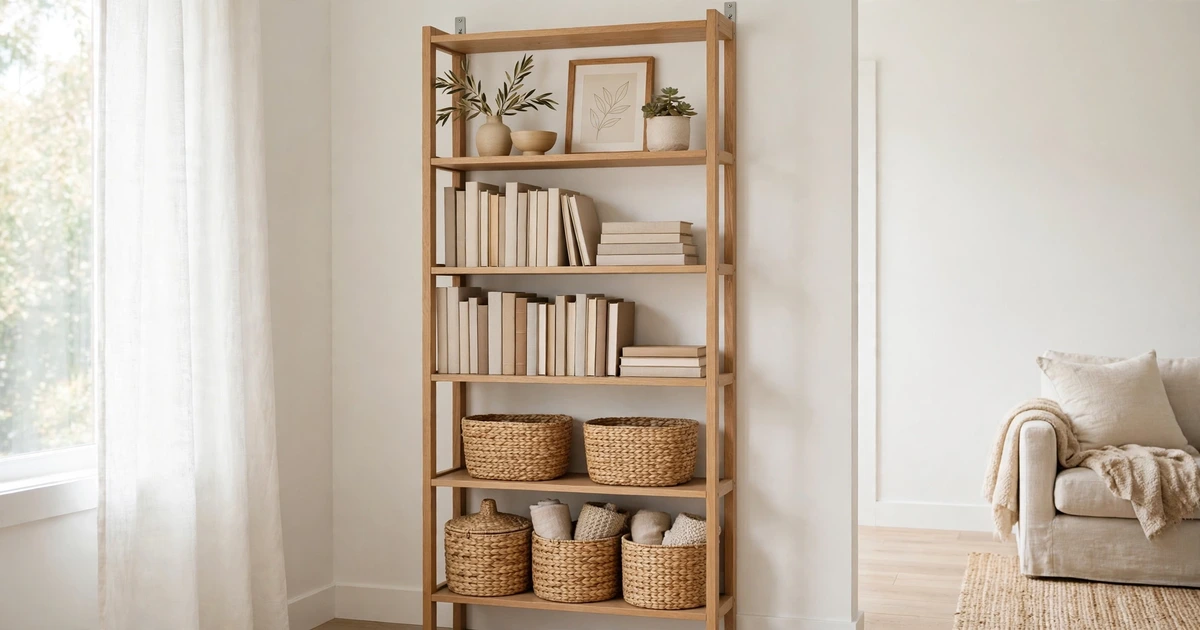
9. Go vertical with shelves
Floor space is limited, but wall space is not. A tall, narrow bookcase or a set of wall-mounted shelves gives you storage without widening your footprint. Keep the heaviest items on lower shelves.
This is best for families with books, games, and kid clutter. The downside is that open shelves show everything, so keep them edited. If you're short on ideas for tidy storage, these simple home organization ideas can help.
10. Hide the clutter in closed storage
Lidded baskets, a closed-door media cabinet, or a slim console behind the sofa keeps everyday mess out of sight. A busy visual field makes a small room feel smaller, even if there's technically empty floor.
Pick two or three containers in the same material or color so they look intentional. In a home with a dog or toddler, closed storage also keeps small items out of reach.
11. Choose fewer, larger decor pieces
Ten small frames and a dozen knickknacks can look like noise. One large piece of art, a single bold throw pillow set, or one statement plant reads as calm and deliberate.
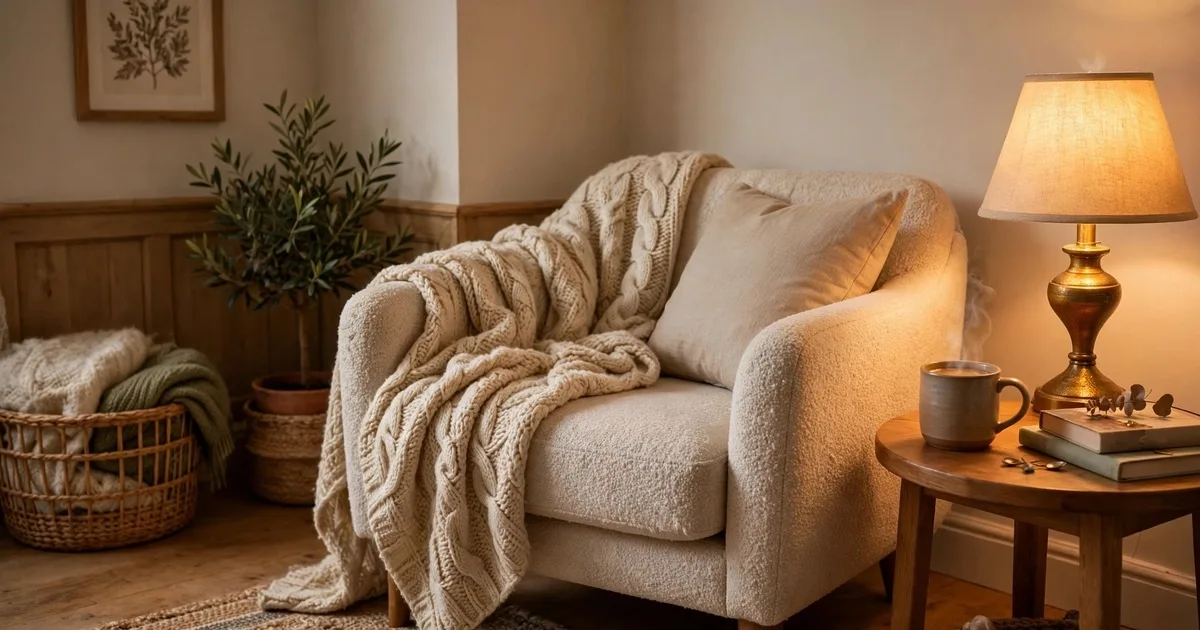
A good test is to remove a third of the small items and see if the room still feels like home. If you want warmth without clutter, the ideas in how to make your home feel more cozy lean on texture rather than stuff.
12. Add one tall plant instead of many small ones
A single floor plant in a corner draws the eye upward and softens hard furniture lines. Many small pots on every surface add clutter instead. If you're new to this, easy indoor plants for beginners covers forgiving options.
Check whether any plant you choose is safe around cats and dogs before bringing it home, since some common houseplants are toxic to pets.
Where to Start: A Budget Order of Operations
Not sure which changes to tackle first? Work from cheapest to most expensive. Prices are rough and vary by region.
| Budget | What to do | Why it comes first |
|---|---|---|
| Free | Tape out the layout, rearrange, remove a third of the decor | Shows you what the room really needs |
| Under $50 | Better bulbs, a lidded basket, curtain rod moved higher | Quick visible lift for little money |
| $50-$200 | Floor lamp, large mirror, storage ottoman | Adds light and function |
| $200+ | Right-sized rug, slimmer sofa, tall bookcase | Biggest impact, but only buy after you've measured |
Mistakes to Avoid
- Pushing every piece against the walls. It can leave a dead zone in the middle. Try floating the sofa slightly or angling a chair to see if the room feels better.
- Buying furniture without measuring doorways and stairs. A great sofa that can't get through the door is a costly lesson.
- Mixing too many patterns and tones. Stick to two or three main colors and repeat them.
- Blocking the window. A tall bookcase or sofa back in front of the glass cuts daylight and makes the room feel smaller.
- Choosing a TV stand that's too big. Match the stand to the wall space, not just the screen.
When to Call a Professional
Call a licensed electrician if you want hardwired wall sconces, new outlets, or recessed lighting. Don't do electrical work yourself unless you're qualified, and always shut off power at the breaker first.
Bring in a pro if you need to anchor heavy shelving into plaster, brick, or concrete, or if you suspect hidden wiring or plumbing behind a wall. Also hire help for any job that needs a tall ladder or work at height. If you notice damp spots or visible mold while moving furniture, get that checked before decorating over it.
How can I make a small living room look bigger?
Use light, low-contrast colors, a large mirror near a window, and furniture with visible legs. Keep walkways clear, hang curtains high, and remove small decor you don't need. These changes work together to make the room feel open without changing its actual size.
What color is best for a small living room?
Soft whites, pale greige, and light sage are safe choices because they reflect light and keep edges soft. Dark colors can also work if you commit fully. Test sample patches in morning and evening light before painting the whole room.
Should I put furniture against the walls in a small living room?
Not always. Pushing everything to the walls can create an empty, awkward center. Try floating the sofa a few inches off the wall or angling a chair. Use tape on the floor to test layouts first, then pick the one that leaves the clearest walking paths.
How do I add storage to a small living room without clutter?
Go vertical with a tall bookcase or wall shelves, and use closed storage like lidded baskets, an ottoman, or a cabinet for everyday items. Keep open shelves edited to a few items. Anchor tall pieces to wall studs for safety.
Is it okay to use a rug in a small living room?
Yes. One larger rug usually looks better than several small ones because it ties the space together. Aim for at least the front legs of your sofa and chairs to sit on it. A low-pile style is easier to clean and works with robot vacuums.
Final Thoughts
The best small living room decorating ideas start with measuring, not shopping. Map your layout, let in as much light as you can, and keep only the pieces that earn their place. Pick one idea from this list, like moving the curtain rod higher or swapping a bulky chair, and try it this weekend. Small changes add up faster than you'd expect.
Join our Telegram to get all the updates.
Comments (0)
Be the first to comment.