
 Home & Living
 Kitchen & Dining
 Gardening & Outdoors
 Home Organization
 Smart Home
 Home DIY
 Sustainable Living
 Daily Living Tips
15 Daily Habits That Keep Your Home Running Smoothly
Your sink is full by Wednesday, the laundry basket has become furniture by Friday, and Saturday disappears into “catching up.” A house rarely falls apart because of one big thing. It slips because a dozen tiny jobs get skipped. The daily habits that keep your home running smoothly are small, mostly take under five minutes, and stop those jobs from stacking up. Below are 15 you can mix and match, plus a realistic way to start without overhauling your life.
Quick Answer
- Most homes stay in order through a handful of tiny daily routines, not weekend marathons.
- The highest-impact habits are a nightly kitchen reset, one load of laundry a day, a landing spot for mail and keys, and a 10-minute evening tidy.
- Start with three habits for two weeks, then add more. Attach each one to something you already do, like brewing coffee or brushing your teeth.
- A few habits (checking for leaks, making sure the stove is off) protect your home as well as your sanity.
How to Build Daily Home Habits That Actually Stick
Trying all 15 on Monday is the fastest way to quit by Thursday. Pick three, run them for two weeks, then add another.
Tie each habit to an existing anchor. Wipe the counters while the kettle boils. Run the dishwasher right after dinner. Do the shower squeegee as you step out. When a habit rides on something automatic, you stop needing willpower.
Keep the bar low on bad days. A “minimum version” still counts: three dishes instead of a full sink, five items back in place instead of a full tidy.
Safety note before you start: a few habits below involve climbing, cleaning chemicals, or checking appliances. Never mix bleach and ammonia-based cleaners, ventilate when you use strong products, and use a stable step stool rather than a chair. More on this in the professional-help section.
Morning Habits (About 10 Minutes Total)
1. Make the bed
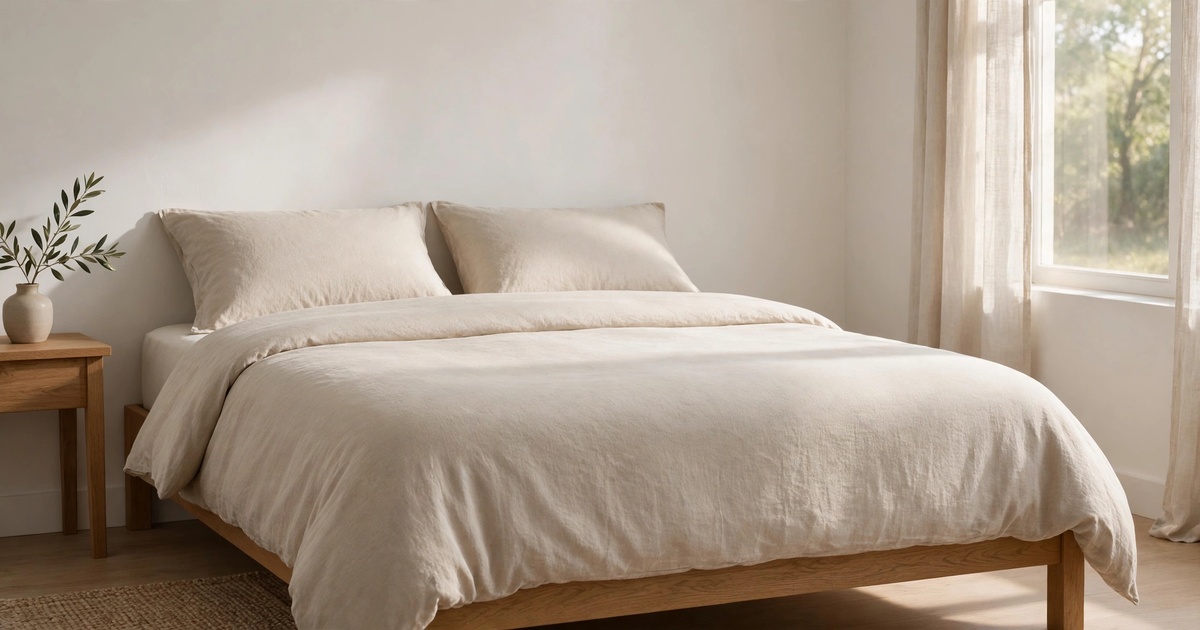
It takes two minutes and makes the whole bedroom look finished. It also gives you a quick win to start the day. If you share a bed, agree on “good enough” so nobody has to do hospital corners.
Best for: anyone whose bedroom doubles as a dumping ground. Tip: keep decorative pillows to two or three so the job stays fast.
2. Air the house out for 10 minutes
Open a couple of windows on opposite sides of the home to get a cross-breeze going. Fresh air clears cooking smells, stale bedroom air, and extra moisture. In winter, 5-10 minutes is plenty, since you’re swapping air, not heating the street.
Best for: small apartments and anywhere that gets damp. Tip: do it right after your shower, when humidity is highest.
3. Clear the breakfast dishes before you leave
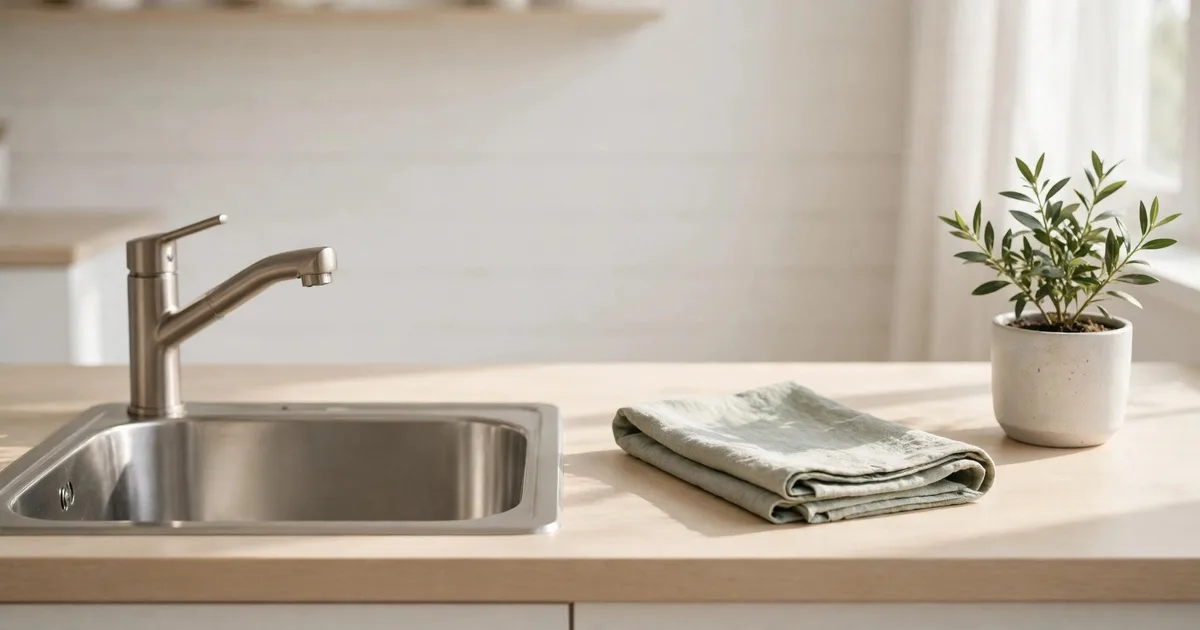
Rinse and load what you used, or wash it, before you walk out. Coming home to a clear sink changes the mood of the entire evening. If dishes can’t wait for the dishwasher to fill, a small drying rack by the sink keeps things moving.
Tip: soak a pan with hot water and a drop of dish soap if you’re short on time.
4. Start one load of laundry
Start a load before work or while you get ready, then move it to the dryer or rack when you’re home. One load a day beats three on Sunday, and wet clothes left too long start to smell musty. If you work out of the house, a delay-start function (if your machine has one) lets you load at night and finish by morning.
Best for: families and anyone who hates weekend laundry piles.
Daytime Habits (A Few Minutes Here and There)
5. Wipe surfaces as you use them
Spray and wipe the counter after making lunch, rather than after the whole week of crumbs has set in. Dried food takes more scrubbing, and it draws pests. Keep one microfiber cloth and a spray bottle of all-purpose cleaner within reach. A pack of cloths usually runs roughly $5-$15, and prices vary.
Safety: use only one cleaner at a time, and never combine bleach with ammonia or vinegar.
6. Give mail and keys a landing spot
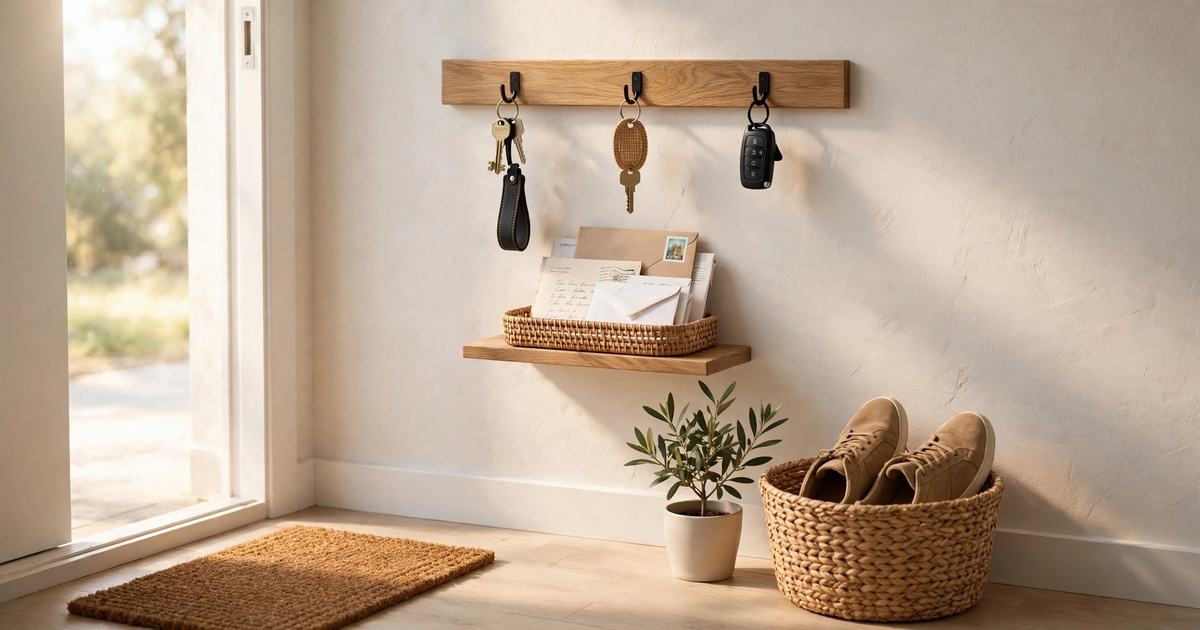
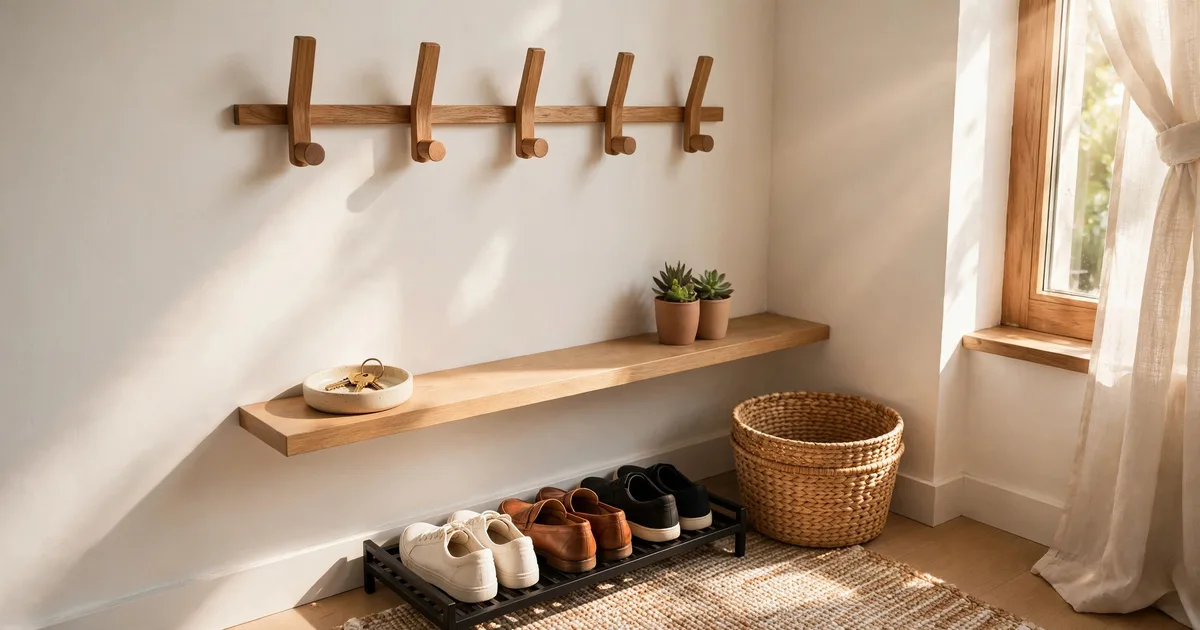
Put a tray or hook by the door, plus a small bin or basket for paper. Sort mail right there: recycle the junk, set bills in one spot, and deal with them on a set day. This single habit stops the “where are my keys” scramble and the pile of paper on the kitchen table.
If your entryway needs more structure, our simple home organization ideas cover compact systems that work in small spaces.
7. Put things back when you’re done with them
Think “one touch”: if you pick something up, return it to its home rather than setting it down “for now.” Shoes go in the rack, the scissors go back in the drawer. It feels slower at first and saves a lot of tidying later.
Tip: if something has no home, that’s the real problem. Give it one.
8. Squeegee or wipe the shower after use
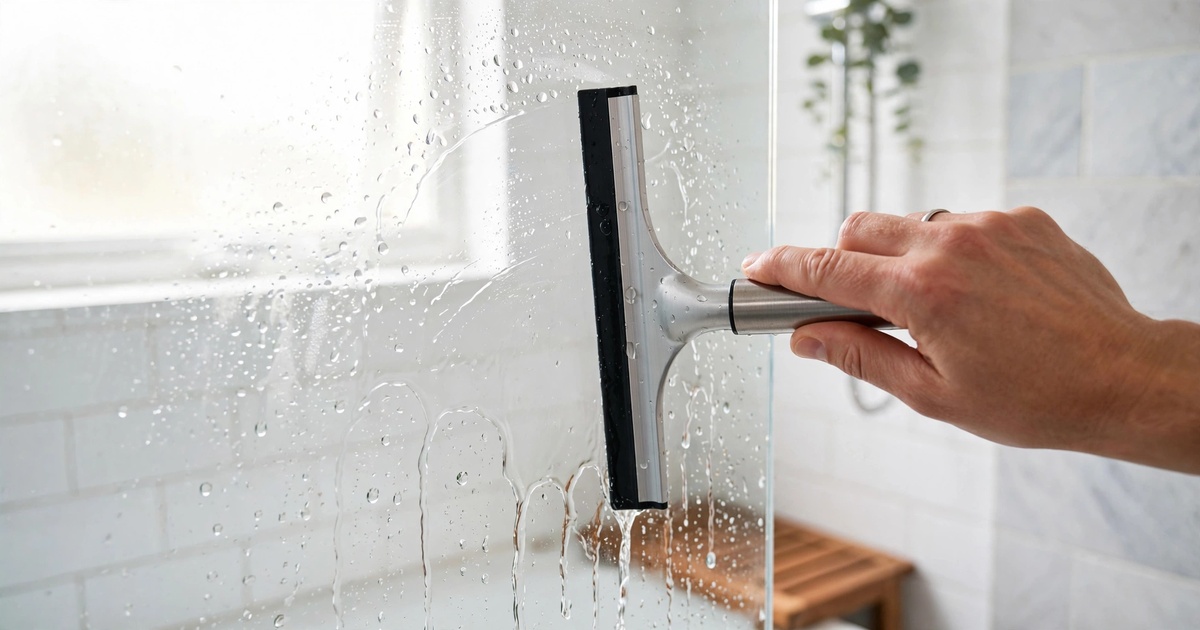
Moisture is what mold and soap scum feed on. A quick 30-second pass over the glass or tile, plus leaving the door or curtain open to dry, makes a real difference. A basic squeegee costs roughly $8-$15, and prices vary.
Best for: rentals and windowless bathrooms. If a bathroom stays damp even with good habits, run the exhaust fan for 20 minutes after showers.
9. Do a quick spot-sweep of high-traffic floors
Five minutes with a broom or stick vacuum on the kitchen, entry, and hallway keeps grit from being ground into floors. With pets or kids, add a quick pass under the dining table. You don’t need to do whole rooms every day, just the places that actually get dirty.
10. Check the trash and the fridge
Take out anything that’s full or smelly, and toss obvious leftovers before they turn into a science project. A 60-second look at what needs using up also helps you plan meals and waste less food.
Tip: a “eat me first” shelf or box in the fridge makes this almost automatic.
Evening Habits (About 20 Minutes Total)
11. Glance under sinks and around appliances for leaks
Quick look, no tools needed. Check for dampness, drips, or a musty smell under the kitchen and bathroom sinks, and around the washing machine and dishwasher. Slow leaks cause the most expensive damage because they go unnoticed for weeks.
If you find water, shut off the supply valve if you can and see the professional-help section below.
12. Do a 10-minute evening reset
Set a timer. Everyone grabs what’s out of place and returns it, then you fluff the couch cushions and clear the coffee table. Stopping when the timer ends is part of what keeps this sustainable.
A tidy living room also feels more relaxing, and our guide on how to make your home feel more cozy pairs well with this habit.
13. Run the dishwasher and reset the kitchen
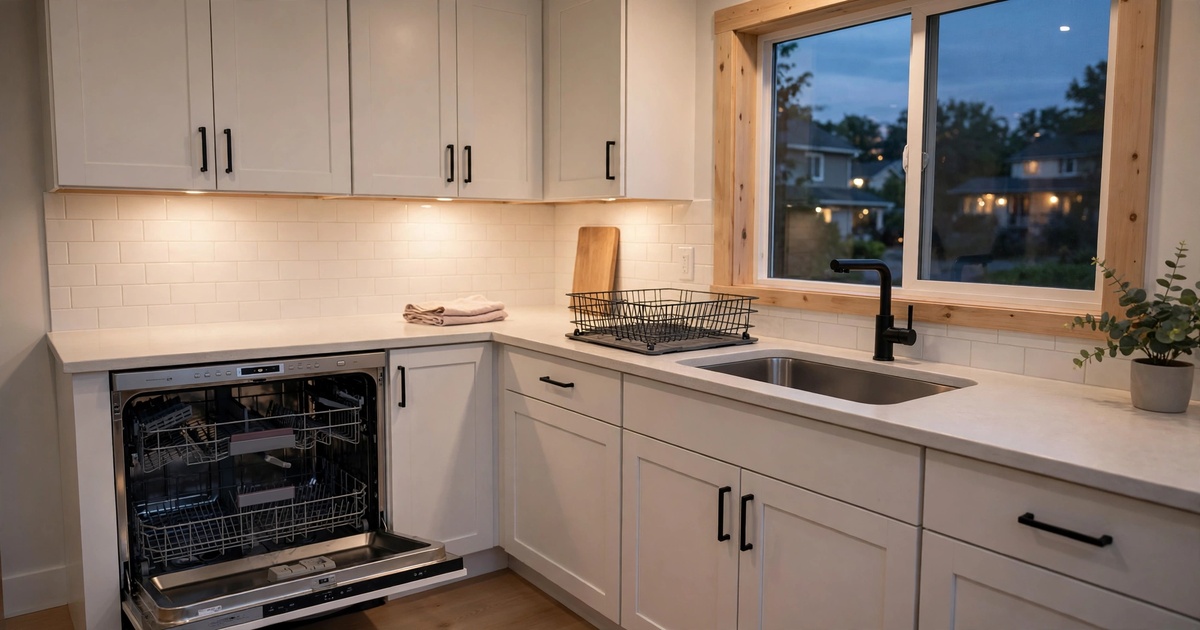
This is the highest-return habit on the list. Load the dishwasher, wash the pots, wipe the counters and stovetop, and empty the drying rack. Waking up to a clean kitchen makes it far easier to start the day, and it keeps pests away overnight.
Tip: run the dishwasher at night, and unload it first thing in the morning while the coffee brews.
14. Plan tomorrow in five minutes
Check the calendar, decide what’s for dinner, and set out anything you need to grab on the way out (bag, shoes, lunch). Five minutes of planning prevents the morning rush where things get dropped and rooms get trashed.
Small tools help too. If you like the idea of lights and reminders handling part of this, smart home for beginners explains where to start.
15. Do a final safety walk-through
Before bed, check that the stove and oven are off, candles are out, space heaters are unplugged or off, and the doors are locked. Turn off lights you don’t need. It takes about two minutes and covers the most common causes of household accidents.
Safety: test your smoke alarms about once a month using the test button, and replace batteries according to the manufacturer’s instructions.
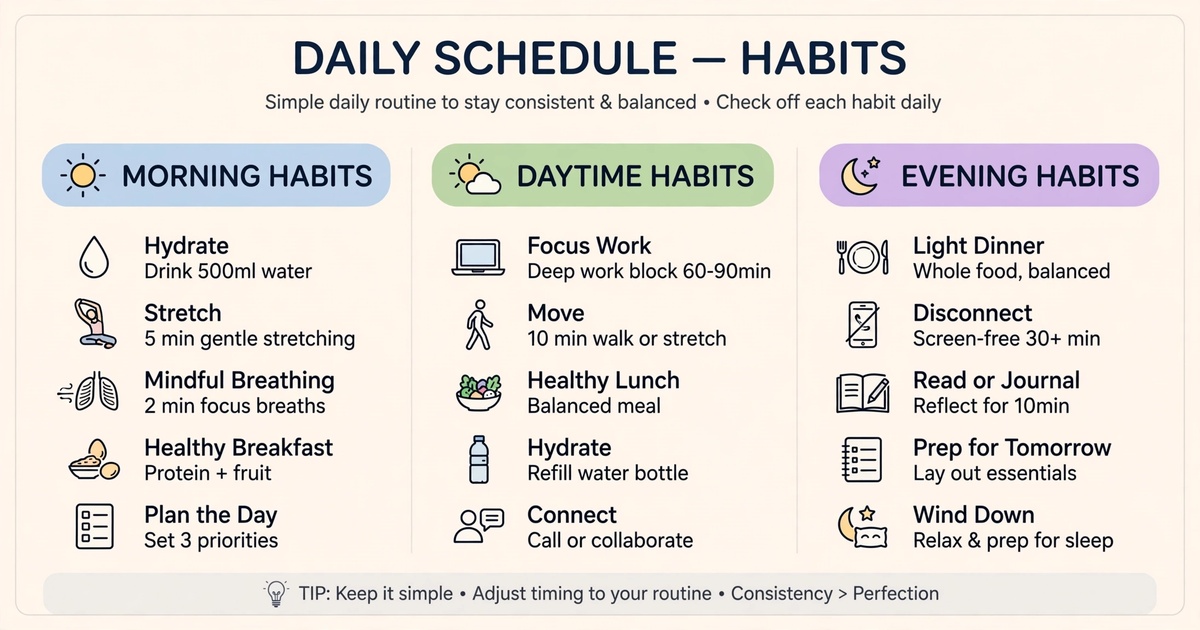
A Simple Daily Schedule
| When | Habits | Time |
|---|---|---|
| Morning | Make bed, air out rooms, clear dishes, start laundry | ~10 min |
| Daytime | Wipe surfaces, mail landing spot, put things back, shower squeegee, spot-sweep, trash/fridge check | ~10-15 min, spread out |
| Evening | Leak glance, 10-minute reset, kitchen reset, plan tomorrow, safety walk-through | ~20-25 min |
Total: roughly 40-50 minutes spread across the day. If that sounds like too much, start with the “big four”: the kitchen reset, one load of laundry, the landing spot, and the evening reset.
Common Mistakes to Avoid
- Starting with all 15. You’ll burn out. Pick three.
- Aiming for perfect. The goal is “good enough,” not showroom-ready.
- Doing everything yourself. In a shared home, split the habits by person or by room.
- Skipping the storage fix. If putting things away is hard, the habit won’t last. Add a hook, a bin, or a shelf.
- Ignoring small problems. A drip, a damp patch, or a smell is worth five minutes of attention now.
If you’re also thinking about fixing things around the house, DIY home improvement for beginners is a good place to build confidence safely.
When to Call a Professional
Some jobs aren’t daily habits and shouldn’t be DIY. Call a licensed professional if you notice any of these:
- Gas smell or a gas appliance acting strangely. Leave the home right away and call your gas provider or emergency number from outside. Don’t flip switches or use flames.
- Electrical problems: outlets that are warm, buzzing, or scorched, breakers that trip repeatedly, or flickering lights. Don’t open panels or wiring yourself.
- Plumbing leaks you can’t stop with the shutoff valve, or water stains spreading on ceilings or walls.
- Mold covering a large area (a common rule of thumb is more than about 10 square feet or 1 square meter), or mold that keeps returning after cleaning.
- Anything involving ladders or heights, like gutters or roof checks. Use a licensed pro or at least have someone spot you.
- Structural signs, such as new cracks in walls, sticking doors that never used to stick, or sagging floors.
FAQ
How long does it take to build a daily home routine?
It depends on the habit, but expect a few weeks of repetition before it feels automatic. Start with two or three habits, anchor each to something you already do, and add more only when those feel easy. Missing a day isn’t failure, just restart the next day.
What are the most important daily habits for a clean house?
The big ones are resetting the kitchen at night, doing one load of laundry a day, wiping surfaces as you go, and a short evening tidy. Together they stop the mess that takes hours to fix on weekends. A landing spot for mail and keys also removes a lot of clutter.
How much time should I spend on housework each day?
Most homes stay in good shape with about 30-45 minutes a day, spread across the day. If you have kids, pets, or a bigger space, you may need a little more. Splitting tasks among household members cuts each person’s share quickly.
What can I do daily to prevent mold at home?
Control moisture. Run bathroom fans during and after showers, squeegee wet surfaces, air rooms out, and fix leaks quickly. Many sources suggest keeping indoor humidity roughly between 30% and 50%. If mold keeps coming back, or covers a big patch, call a professional.
How do I keep a tidy home with kids or pets?
Lower your standard and make cleanup easy. Give toys and pet gear a visible basket, do a short “reset” before dinner and bed, and spot-sweep high-traffic floors daily. Expect some mess, and aim for “reset-able” rather than spotless.
Do I need to do all 15 habits every day?
No. Pick the ones that fit your home and schedule. A small apartment may only need eight or nine, and some habits (like the shower squeegee) only matter if you’ve got a damp bathroom. Choose the ones that solve your biggest daily frustrations first.
Conclusion
The daily habits that keep your home running smoothly are small on purpose. If you only do one thing, make it the nightly kitchen reset, because waking up to a clear space sets up everything else. Pick three habits from this list, write them next to the coffee maker or on the fridge, and run them for two weeks before adding more. Adjust as you go, and let the routine fit your life.
Join our Telegram to get all the updates.


Comments (0)
Be the first to comment.