
 Home & Living
 Kitchen & Dining
 Gardening & Outdoors
 Home Organization
 Smart Home
 Home DIY
 Sustainable Living
 Daily Living Tips
15 Easy Indoor Plants for Beginners (That Forgive Mistakes)
You bought a plant with the best intentions. Three weeks later, it’s yellow, droopy, and sitting on the windowsill like a tiny reproach. It happens to almost everyone, and it usually comes down to picking a plant that didn’t match the room or the routine.
The best indoor plants for beginners tolerate imperfect light, uneven watering, and the occasional week you forget they exist. This list covers 15 of them, with honest notes on each one’s weak spots and which ones are safe around pets.
Quick Answer
- Easiest overall: pothos, snake plant, and ZZ plant. All three handle low light and neglect.
- Safe around cats and dogs: spider plant, parlor palm, peperomia, and haworthia.
- Biggest beginner mistake: overwatering. Check the soil with your finger before you water.
- Basic routine: bright indirect light, a pot with drainage holes, and water only when the top 1-2 inches (2.5-5 cm) of soil feel dry.
How to Pick the Right Beginner Plant
The “easiest” plant is the one that fits your actual home. Before you shop, answer three quick questions.
How much light do you really get? Stand where the plant will sit at noon. If you can read a book comfortably without turning on a lamp, that’s medium to bright indirect light. If it’s dim and you’d flip a switch, that’s low light. North-facing windows and spots more than 6 feet (about 2 m) from any window are usually low light.
How forgetful are you? If you travel or lose track of chores, pick a plant that stores water, like a ZZ plant, snake plant, or jade plant. If you like routines, a peace lily will happily tell you when it’s thirsty by drooping.
Who else lives with you? Many popular houseplants are mildly to seriously toxic if chewed by cats, dogs, or toddlers. I’ve flagged each plant below, but always check the ASPCA’s toxic and non-toxic plant database for your exact species before bringing one home.
Easy Indoor Plants at a Glance
| Plant | Light | Watering | Pet-safe? |
|---|---|---|---|
| Pothos | Low to bright indirect | Every 1-2 weeks | No |
| Snake plant | Low to bright | Every 2-4 weeks | No |
| ZZ plant | Low to medium | Every 2-4 weeks | No |
| Spider plant | Medium to bright indirect | Weekly | Yes |
| Peace lily | Low to medium | Weekly | No |
| Heartleaf philodendron | Low to bright indirect | Every 1-2 weeks | No |
| Chinese evergreen | Low to medium | Every 1-2 weeks | No |
| Cast iron plant | Low | Every 2-3 weeks | Yes |
| Rubber plant | Medium to bright | Every 1-2 weeks | No |
| Aloe vera | Bright | Every 2-3 weeks | No |
| Jade plant | Bright | Every 2-3 weeks | No |
| Parlor palm | Low to medium | Weekly | Yes |
| Peperomia | Medium | Every 1-2 weeks | Yes |
| Haworthia | Medium to bright | Every 2-3 weeks | Yes |
| Dracaena | Low to medium | Every 2-3 weeks | No |
Watering schedules are rough starting points. Your home’s light, temperature, and pot size change them, so always check the soil first.
15 Easy Indoor Plants for Beginners
1. Pothos
Pothos is the classic first plant. It trails, climbs, and bounces back from droopy spells within hours of a good drink. It suits shelves, hanging baskets, and dim corners. Pinch off a stem below a node and root it in water to get a free second plant. Toxic to pets if chewed.
2. Snake Plant
Upright, sculptural, and happy to be ignored. Snake plants store water in their leaves, so rot from overwatering is the main threat. Best for bedrooms, entryways, and anyone who travels. Let the soil dry out fully between waterings, especially in winter. Mildly toxic to pets.
3. ZZ Plant
Glossy leaves, thick underground rhizomes that store water, and a tolerance for low light that borders on absurd. It’s great for offices and north-facing rooms. The only way to kill it fast is soggy soil, so water sparingly. All parts are toxic if eaten, so keep it away from curious pets and kids.
4. Spider Plant
Fast-growing, arching leaves and dangling baby “spiderettes” you can pot up for friends. It likes bright indirect light and slightly more regular water than the succulent-types. Brown leaf tips usually mean minerals or fluoride in tap water, so try filtered or rested water. Non-toxic to cats and dogs, which makes it a good pick for pet households.
5. Peace Lily
This one is dramatic in a helpful way: it wilts when thirsty and perks up soon after watering. It tolerates lower light and even blooms white spathes with a bit more brightness. Skip it if you have pets that chew plants, since it’s toxic to cats and dogs.
6. Heartleaf Philodendron
Similar to pothos in care but with softer, heart-shaped leaves. It trails nicely from a high shelf or a bookcase. It’s forgiving about light and water. Long, leggy stems mean it wants more light. Trim and root the cuttings. Toxic to pets if chewed.
7. Chinese Evergreen
Patterned leaves in green, silver, or pink give you color without demanding bright sun. It’s a good fit for a living room corner with modest light. Keep it away from cold drafts and don’t let it sit in water. Toxic to pets and irritating to skin and mouth.
8. Cast Iron Plant
The name says it all. It handles deep shade, uneven watering, and cooler rooms. The trade-off is slow growth, so buy a size you like because it won’t fill out quickly. Good for dark hallways and low-light apartments. Considered non-toxic to cats and dogs.
9. Rubber Plant
Big, glossy leaves make a statement in a living room or home office. It wants medium to bright indirect light and a drink every week or two. Wipe the leaves with a damp cloth occasionally so they can absorb light. Dropping lower leaves often points to overwatering or a sudden move. Sap can irritate skin and the plant is toxic to pets.
10. Aloe Vera
A sunny windowsill plant that stores water in its thick leaves. It needs strong light, a gritty, fast-draining mix, and a pot with drainage. Water deeply, then wait until the soil is dry throughout. Leaning, pale, or stretched growth means it needs more light. Toxic to pets if eaten.
11. Jade Plant
A tough little tree with fat leaves that tolerates dry spells well. It prefers a bright window and soil that dries out between waterings. It can live for decades, so it’s a good plant to commit to. Wrinkled leaves mean it’s thirsty, and mushy leaves mean it’s had too much. Toxic to pets.
12. Parlor Palm
A soft, feathery palm that stays compact and handles lower light better than most palms. It likes even moisture and appreciates a spot away from heating vents. Best for small apartments and desks. Brown tips are common in dry winter air. Non-toxic to cats and dogs.
13. Peperomia
There are many types, from rippled leaves to round, waxy ones. They stay small, so they suit shelves and desks. Their leaves store some water, so let the top inch of soil dry before watering. Peperomia is generally listed as non-toxic to cats and dogs, but check the exact variety.
14. Haworthia
A tiny, striped succulent that does well in medium light, even in an east-facing window. It’s slow-growing and rarely fussy. Use a gritty succulent mix and a pot with a drainage hole. Haworthia is considered pet-safe, but confirm your specific species in a toxicity database.
15. Dracaena
Tall, sword-like leaves bring height to a corner without taking up floor space. Dracaena tolerates low to medium light and infrequent watering. Brown tips can come from fluoride in tap water or dry air. It’s toxic to cats and dogs, so skip it in a pet-heavy home.
What You’ll Need to Get Started
You don’t need a fancy kit. Here’s a realistic starter list with rough US prices (prices vary by store and region):
- Small plant (4-6 inch / 10-15 cm pot): roughly $5-$25. Larger statement plants run about $30-$80.
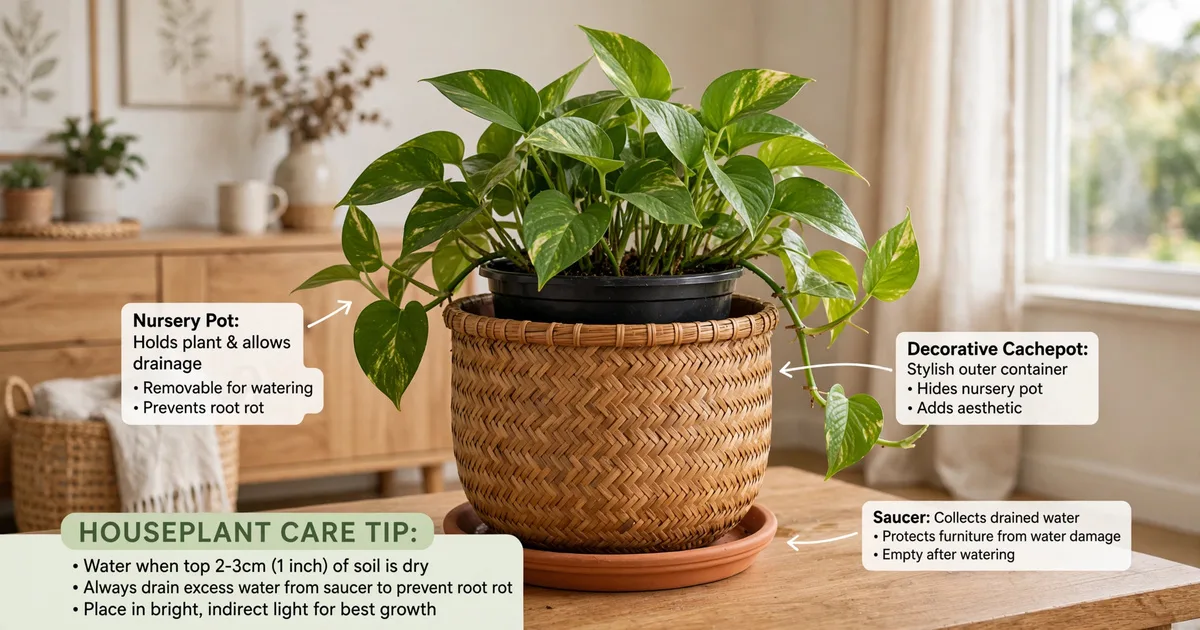
- Pot with drainage holes: roughly $5-$25. If you love a decorative pot without holes, keep the plant in its plastic nursery pot and slip it inside.
- Saucer or tray: roughly $2-$8, to protect floors and shelves.
- Potting mix: roughly $8-$15 per bag. Use a cactus or succulent mix for aloe, jade, and haworthia.
- Watering can with a narrow spout: roughly $8-$20.
- Moisture meter (optional): roughly $10-$20. Your finger works just as well.
A Simple Care Routine That Works
Keep it boring and consistent.
- Check the soil, not the calendar. Push a finger 1-2 inches (2.5-5 cm) into the soil. For succulents and snake or ZZ plants, wait until it’s dry most of the way down.
- Water thoroughly. Pour until water runs out of the drainage holes, then empty the saucer after about 15 minutes. Standing water leads to root rot.
- Give them light. Turn pots a quarter turn every week or two so growth stays even.
- Keep temperatures steady. Most of these plants like about 65-80°F (18-27°C). Keep them away from radiators, AC vents, and cold window glass in winter.
- Feed lightly. A half-strength balanced fertilizer about once a month in spring and summer is plenty. Skip it in winter when growth slows.
- Repot when roots circle the pot or poke out of the bottom, usually every 1-2 years, going up only one size.
Once your plants are thriving, grouping a few at different heights is an easy way to make your home feel more cozy, especially in a rental where you can’t change much else.
Common Beginner Mistakes to Avoid
- Overwatering. It kills more houseplants than anything else. Yellow, soft leaves and a sour smell from the soil are classic signs.
- Skipping drainage. A pot with no holes turns into a swamp. If you must use one, use a nursery pot inside it.
- Moving the plant constantly. Plants adjust slowly to new light, so find a good spot and leave it there.
- Putting everything in a bright window. Direct afternoon sun can scorch leaves on low-light plants like ZZ and cast iron plants.
- Using a pot that’s too big. Extra soil stays wet too long. Go up only 1-2 inches (2.5-5 cm) in diameter.
- Ignoring pests. If you spot tiny flying bugs near the soil or sticky residue on leaves, isolate the plant and treat it early.
Safety First: Pets, Kids, and When to Call a Professional
A few safety notes before you buy.
Pets and kids. Many of the plants above are toxic if chewed. If your cat or dog eats a plant, call your vet or a poison control line right away and have the plant’s name ready. Don’t wait for symptoms to appear.
Handling sap and soil. Rubber plant sap, aloe, and some aroids can irritate skin and eyes. Wear gloves when pruning if you have sensitive skin, and wash your hands afterward.
Ladders and hanging plants. Use a stable step stool or ladder when installing hooks or hanging baskets, and have someone steady it. Make sure hooks are screwed into a ceiling joist or rated anchor, because wet baskets are heavier than they look.
Mold. A little white fuzz on topsoil is usually harmless and can be scraped off, with the soil allowed to dry out more. If mold spreads onto walls, ceilings, or window frames, or if anyone in your home has breathing problems, call a mold remediation professional rather than scrubbing it yourself.
Electrics near water. Keep plants, spray bottles, and humidifiers away from outlets and power strips. If a plant tips over onto electronics, unplug the device at the wall (if safe) before you clean up. For any wiring concerns, call a licensed electrician.
Frequently Asked Questions
What is the easiest indoor plant to keep alive?
Pothos, snake plant, and ZZ plant top most lists. They tolerate low light, irregular watering, and average household humidity. If you tend to forget to water, choose the snake plant or ZZ plant. If you want something trailing and fast-growing, choose pothos.
What indoor plants are safe for cats and dogs?
Spider plant, parlor palm, cast iron plant, peperomia, and haworthia are generally listed as non-toxic to cats and dogs. Always double-check your exact species in the ASPCA database, since plants with similar names can have very different toxicity. Even non-toxic plants can cause stomach upset if eaten in quantity.
How often should I water indoor plants?
Water when the top 1-2 inches (2.5-5 cm) of soil feel dry, rather than on a fixed schedule. For succulents and snake or ZZ plants, wait until the soil is dry most of the way down. In winter, most plants need water less often because growth slows.
What indoor plants grow in low light?
Cast iron plant, ZZ plant, snake plant, pothos, peace lily, and parlor palm all tolerate low light. They won’t grow as fast as they would in brighter spots, but they’ll survive and look decent. If growth gets leggy or pale, move them closer to a window.
Why are my houseplant’s leaves turning yellow?
Overwatering is the most common cause, especially if the soil stays damp and the lower leaves yellow first. Other causes include too little light, a recent move, or old leaves naturally dropping. Check the soil moisture, make sure the pot drains, and adjust one thing at a time.
Do I need grow lights for beginner plants?
Not for most of the plants on this list. If you only have dim rooms and want to keep brighter-light plants like aloe or jade, a basic full-spectrum LED grow bulb can help. Prices vary, but a simple bulb or small lamp typically costs about $10-$30.
Final Thoughts
The easiest indoor plants for beginners are the ones that match your light, your routine, and your household. Start with one or two from this list, learn how they respond to your space, and add more once you feel comfortable. Your next step: pick one plant, check the soil with your finger before every watering for the next month, and see how much easier it gets.
Join our Telegram to get all the updates.

Comments (0)
Be the first to comment.